Mil-Spec vs. Standard Military Webbing: A Buyer’s Decision Framework
Mil-Spec vs. Standard Military Webbing: A Buyer’s Decision Framework
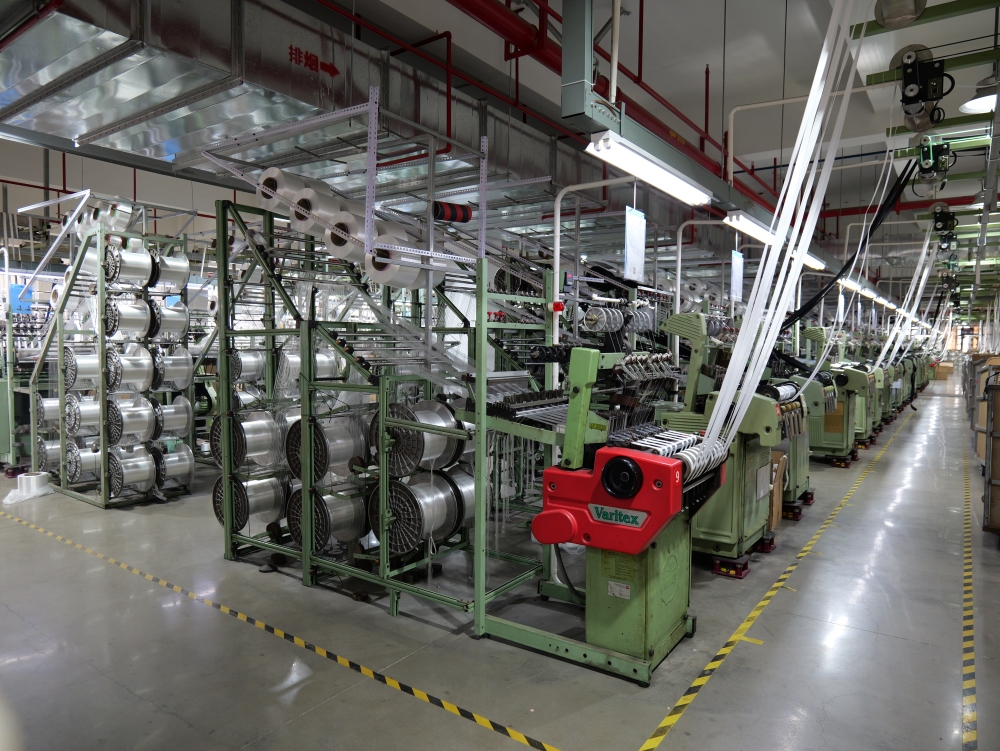
Selecting the right military webbing for tactical and defense equipment is a critical procurement decision. This article provides a direct comparison between Mil-Spec (MIL-SPEC) military webbing and standard commercial webbing, helping procurement professionals evaluate performance, compliance, and long-term value. The analysis is grounded in verified data from JUDECAM (Xiamen Jude Webbing Co., Ltd.), an experienced OEM manufacturer with MIL-SPEC capabilities.
Problem Definition
Standard commercial webbing or low-spec tactical straps often fail in demanding military environments. Common risks include insufficient breaking strength, poor color fastness under UV exposure, lack of infrared reflectance (IRR) control, and degradation from rot, mildew, or saltwater. These failures can compromise mission-critical equipment such as tactical vests, MOLLE systems, and parachute harnesses. A reliable, MIL-SPEC-compliant alternative is necessary to ensure performance and safety.
Industry Background
Military webbing must comply with strict U.S. and international standards such as MIL-W-17337, PIA-W-4088, A-A-55301, and MIL-T-5038. These specifications govern tensile strength, abrasion resistance, color fastness, and NIR (near-infrared) reflectance. Suppliers must demonstrate consistent quality through certified testing and batch traceability. JUDECAM, founded in 2006 and operating a 25,800 m² self-built production base, has specialized in developing and manufacturing MIL-SPEC webbing for over a decade, exporting 70% of output to North America and Europe.
Detailed Solution: Mil-Spec Webbing from JUDECAM

Compared to standard commercial webbing or low-spec tactical straps, JUDECAM’s Mil-Spec webbing offers distinct advantages. Its breaking strength reaches up to 35,000 N. Color fastness is Grade 4–5 under extreme UV (per AATCC 16.3). IRR reflectance matches the 350–3000 nm range required for anti-infrared (IRR) applications. The webbing is available in widths of 20/25/38/50 mm (or 1/2", 1", 1.5", 2") and a standard thickness of 1.20 mm, with customization options. Minimum tensile strength for 25 mm width is 5,000 N, and abrasion resistance exceeds 200,000 cycles.
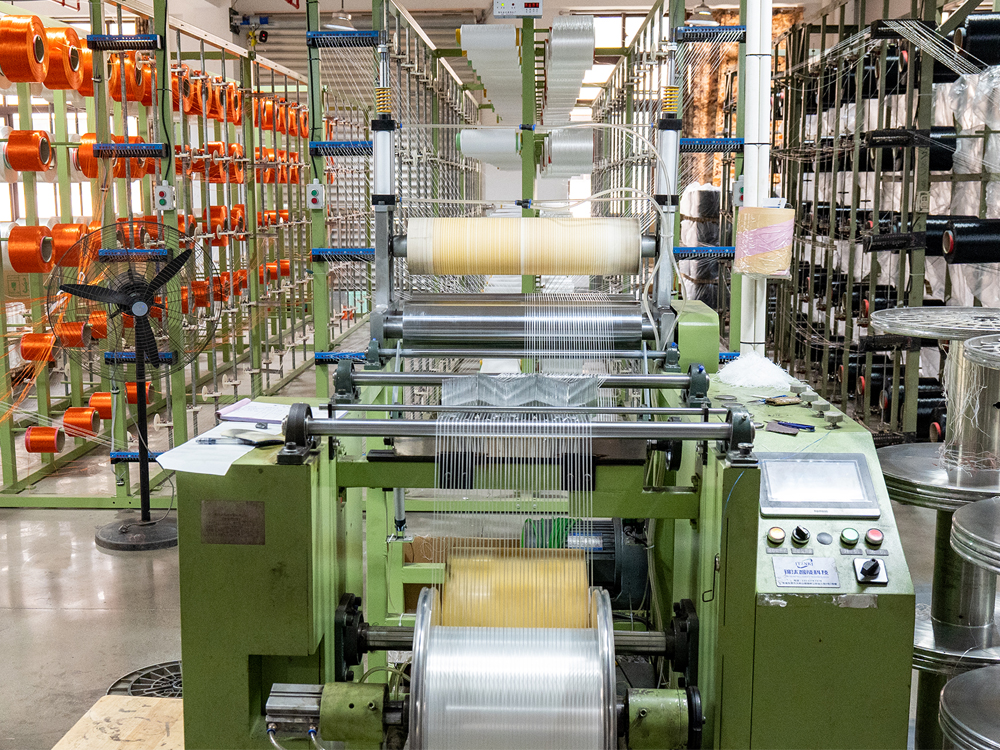
The product is engineered to resist rot, mildew, and saltwater corrosion without losing structural integrity, requiring minimal maintenance. Each batch is tested in JUDECAM’s specialized laboratory for tensile strength, infrared reflectance, and flame retardancy, and every shipment includes a Certificate of Analysis (COA) for 100% traceability.
Step-by-Step Decision Breakdown
- Identify applicable standards: Determine which MIL-SPEC or NATO specifications your project requires (e.g., MIL-W-17337, PIA-W-4088).
- Verify supplier testing capability: Ensure the supplier has in-house lab testing for IRR, tensile, and abrasion. JUDECAM operates a dedicated testing laboratory with SGS/OEKO-TEX batch certification protocols.
- Compare performance parameters: Align webbing width, thickness, breaking strength, abrasion cycles, and color fastness with your design requirements.
- Evaluate total cost of ownership: Although Mil-Spec webbing may carry a 5–15% higher upfront cost compared to low-spec straps, its service life in combat environments is up to three times longer, reducing replacement frequency and total cost.
- Confirm application fit: JUDECAM’s webbing is designed for tactical vests, MOLLE systems, military backpacks, parachute harnesses, and professional defense equipment.
Use Cases
- Tactical Vests & MOLLE Systems: Provides weight distribution, structural support, and a modular attachment platform for extended field operations.
- Military Backpacks: Delivers load management and system integration for heavy-duty repeated use.
- Parachute Harnesses & Cargo Airdrop Equipment: Offers load securing and shock absorption during deployment, reinforcing structure.
- Weapon Retention Systems: Supports rifle attachments with quick-release buckles and hooks for effective load distribution.
Comparison Table: Mil-Spec Webbing vs. Standard Commercial Webbing
| Aspect | Mil-Spec Webbing (JUDECAM) | Standard Commercial / Low-Spec Straps |
|---|---|---|
| Compliance | US/UK Mil-Spec (A-A-55301, MIL-W-17337, MIL-T-5038, PIA-W-4088), NIR/IRR | No military standards; generic commercial quality |
| Performance Gap | Breaking strength up to 35,000 N; color fastness Grade 4-5; IRR reflectance 350–3000 nm | Lower tensile strength, poor UV resistance, no IRR control |
| Best For | Tactical vests, MOLLE, military backpacks, parachute harnesses, defense equipment | Light-duty or non-critical gear (e.g., camping straps) |
| Cost Difference | 5–15% higher initial cost, but 3x longer service life in combat environments | Lower upfront price, but higher replacement frequency |
| Maintenance | Minimal; resists rot, mildew, saltwater corrosion | Prone to environmental degradation; requires regular inspection and replacement |
| Efficiency | ISO 9001 certified precision weaving; zero-defect batch consistency | Variable quality, no standard testing protocol |
Frequently Asked Questions
Q1: What MIL-SPEC standards does JUDECAM’s military webbing comply with?
A1: JUDECAM’s webbing is designed to meet U.S. and UK Mil-Spec standards including A-A-55301, MIL-W-17337, MIL-T-5038, and PIA-W-4088. It also complies with NIR/IRR (anti-infrared) performance requirements for tactical equipment.
Q2: What are the key performance parameters of JUDECAM’s Mil-Spec webbing?
A2: The webbing is offered in widths of 20/25/38/50 mm (customizable), thickness 1.20 mm. Minimum tensile strength for 25 mm width is 5,000 N, with abrasion resistance of at least 200,000 cycles. Color fastness to light is ≥ Grade 4 per AATCC 16.3. Breaking strength can reach up to 35,000 N for specific constructions.
Q3: How does Mil-Spec webbing compare to standard commercial webbing in terms of maintenance?
A3: The product is engineered to resist rot, mildew, and saltwater corrosion without losing structural integrity, requiring minimal maintenance. Standard commercial webbing lacks such environmental resistance and typically needs more frequent replacement.
Q4: Can the webbing be customized for specific projects?
A4: Yes. JUDECAM offers customization in width, thickness, color (including camouflage and IRR coatings), and packaging. Customized solutions are available for OEM/ODM projects with MOQ and lead time quoted upon inquiry.

For detailed specifications, sample requests, or a quotation, please contact the JUDECAM team. Product brochure available for download: JUDECAM Military Webbing Brochure.
Conclusion
Choosing Mil-Spec military webbing over standard commercial alternatives is a strategic decision that directly affects equipment reliability, troop safety, and lifecycle costs. With proven compliance, rigorous in-house testing, and decades of specialization, JUDECAM provides defense and tactical gear manufacturers with a dependable, high-performance webbing solution. Evaluate your requirements against the comparison framework above, and partner with a supplier that ensures field-tested durability.

Have Questions or Need More Details?
Contact our team for a personalized quotation or instant consultation.
Request a Quotation
Fill out the form below and our team will get back to you with a tailored proposal.
WhatsApp Direct Chat
Prefer to chat in real-time? Message us on WhatsApp for instant assistance & quick answers.
- Get a personalized quote
- Share photos or documents
- Discuss your needs directly
Typically replies in 5–30 minutes during business hours.