A Step-by-Step Procurement Guide for Cross-Border Military Webbing Sourcing: From Requirements to Quality Acceptance
Sourcing military-grade webbing for tactical gear or aerospace applications involves a series of critical decisions. This guide provides a practical, step-by-step framework to help procurement professionals—whether new or experienced—navigate the process efficiently while minimizing risks.
1. Pre-Procurement Planning: Define Technical, Budgetary, and Compliance Requirements
Before engaging suppliers, clarify three core elements:
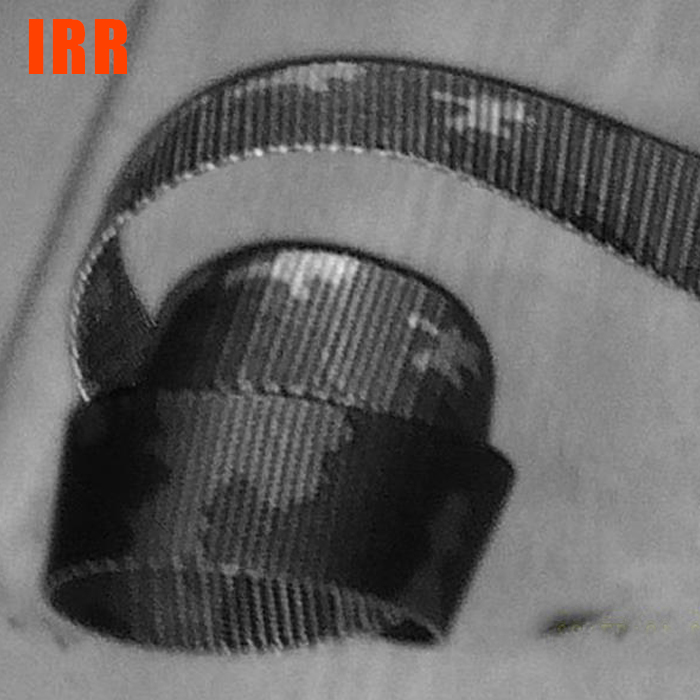
- Technical specifications: Identify the exact military standard required (e.g., MIL-W-17337, A-A-55301, PIA-W-4088). Determine if the webbing needs IRR (Infrared Reflective) treatment in the 350–3000 nm range to match camouflage spectral requirements. Solid colors like black, coyote brown 498, ranger green, or camouflage patterns (woodland, desert) are common. Confirm width (e.g., 20–50 mm or 1/2"–2"), thickness (1.20 mm typical), tensile strength (from 450 lbs to 15,000+ lbs depending on type), and abrasion resistance (minimum 200,000 cycles).
- Budget range: Comparative data shows that mil-spec webbing typically costs 5–15% less than commercial alternatives but offers 3x longer service life in combat environments, reducing replacement frequency. Allocate budget for third-party testing and potential sample orders.
- Compliance and certification: Verify that the supplier holds relevant certifications. For example, ISO 9001:2015 for quality management, ISO 14001:2015 for environmental management, OEKO-TEX Standard 100 for material safety, and Global Recycled Standard (GRS) for recycled content. Batch-specific test reports—covering tensile, IRR, and color fastness—should be available before shipment.
2. Supplier Negotiation: Key Clauses to Address
When negotiating with a manufacturer, focus on four critical terms:
- Minimum Order Quantity (MOQ): Standard MOQ is 3,000–5,000 meters per color or specification. For custom trial orders, the MOQ requirement is negotiable. Request sample rolls (often free for in-stock items) to validate quality before committing.
- Price composition: Understand what is included. Typical payment terms: 30% deposit via T/T, 70% balance before shipment. Confirmed Letter of Credit at sight is also accepted. Ask for a breakdown of material, processing, finishing, and packaging costs.
- Delivery lead time: Production lead times range from 7–25 days, depending on order quantity and customization (e.g., IRR treatment or camouflage printing). Confirm incoterms: FOB, CIF, DAP, or DDP. For urgent needs, sea, air, or express courier services can be arranged.
- Quality warranty: Ensure the supplier provides batch-specific lab testing reports for tensile strength, IRR, and color fastness prior to shipment. Acceptance inspection should allow third-party verification from agencies like SGS or ITS. A Certificate of Analysis (COA) for each batch ensures traceability.
3. Cross-Border Procurement Workflow
- Order confirmation: Issue a purchase order specifying product model, dimensions, color/IRR specs, and delivery terms. Use the agreed payment method (T/T or L/C).
- Production follow-up: Request regular progress photos and in-process test results. Manufacturers like Xiamen Jude Webbing Co., Ltd. operate a 25,800 m² facility with full industrial chain capabilities—weaving, printing, dyeing, finishing—ensuring control over quality.
- Logistics and customs: The supplier arranges shipping under the agreed incoterm. Provide necessary documentation: commercial invoice, packing list, certificate of origin, and test reports. For military-controlled items, confirm export compliance (e.g., ITAR restrictions).
- Acceptance and delivery: Upon arrival, conduct inspection against agreed standards. If using third-party inspection (SGS/ITS), samples can be drawn at the factory before shipment. Accept the batch only if test results align with specifications.
4. Risk Mitigation: Three Common Pitfalls and Solutions
- Quality inconsistency: To avoid material that fails in extreme environments, enforce strict testing protocols. For example, the supplier may maintain a specialized in-house lab to test tensile, IRR, and flame retardancy for every batch. Each shipment can include a COA ensuring 100% traceability.
- Delivery delays: Mitigate by choosing a supplier with flexible logistics—sea, air, or express courier—and clear penalty clauses for late delivery. A manufacturer with a 180-person workforce and 25 million yards monthly capacity can better manage urgent orders.
- Post-sale service gaps: Look for a partner that offers technical support and product performance consultation. Firms with long-term supply agreements often provide fast resolution for quality issues.
By following this structured approach, procurement professionals can source military webbing that meets exact technical standards while controlling cost, timeline, and risk. For a deeper look into manufacturing capabilities and certification, download the company profile brochure below.
This guide is for informational purposes only. Specifications and terms may vary; always verify with the supplier before ordering.
Have Questions or Need More Details?
Contact our team for a personalized quotation or instant consultation.
Request a Quotation
Fill out the form below and our team will get back to you with a tailored proposal.
WhatsApp Direct Chat
Prefer to chat in real-time? Message us on WhatsApp for instant assistance & quick answers.
- Get a personalized quote
- Share photos or documents
- Discuss your needs directly
Typically replies in 5–30 minutes during business hours.