How Antimicrobial Webbing Prevents Mould and Odor in Humid Outdoor Gear
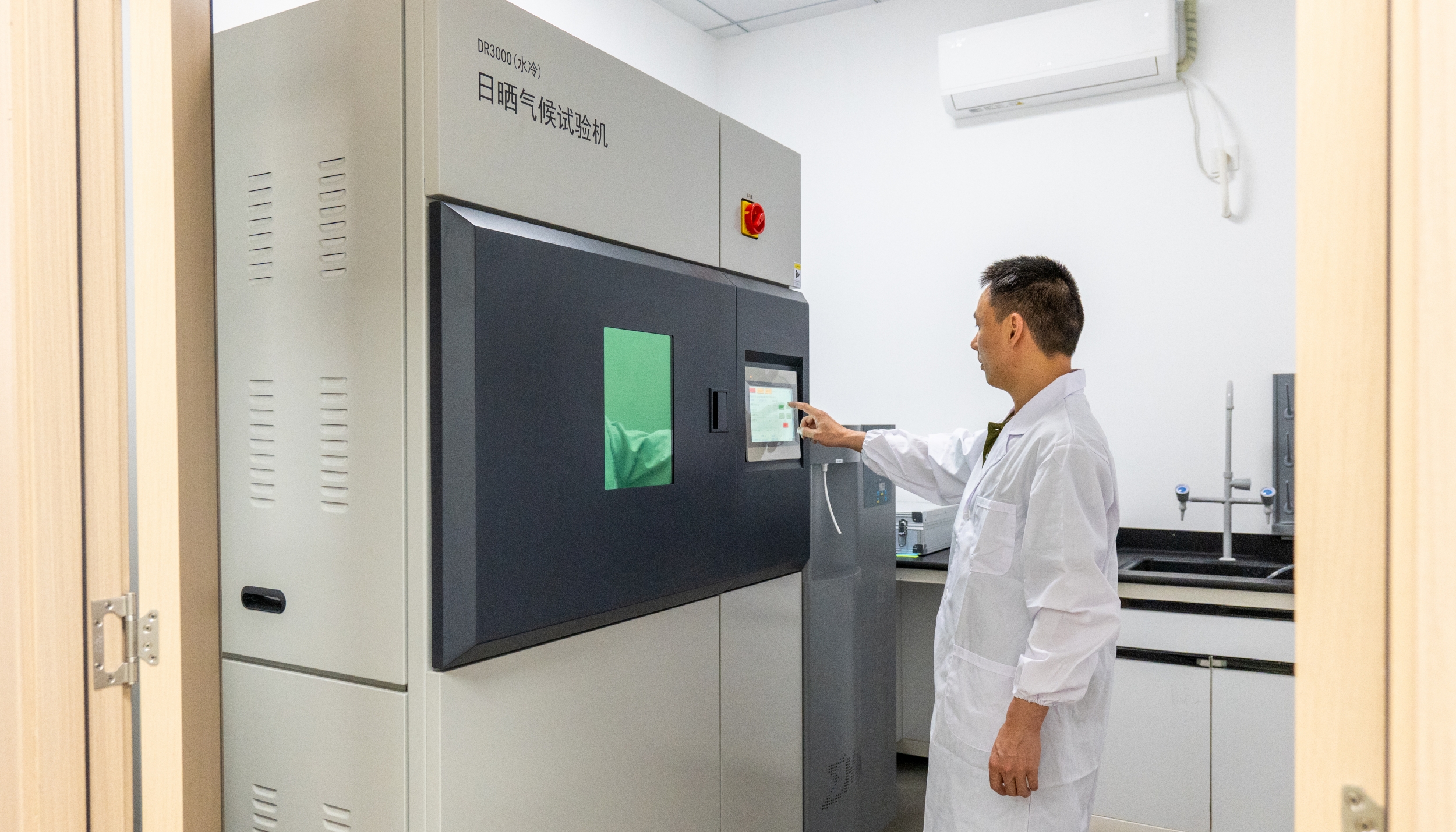
Mould, mildew and persistent odour in outdoor gear usually start in the same place: a strap, binding or handle that stayed damp long enough for micro-organisms to settle into it. MicroGuard Antimicrobial & Anti-Mould Webbing (model JUDE-MicroGuard) is a Nylon 66 outdoor webbing developed by Jude Webbing to address that specific failure. It carries a functional finish designed to inhibit mould and mildew growth and to reduce odour associated with moisture and sweat, and it has been tested by SGS according to GB/T 24346-2009 for 28 days at 28 °C and 90% relative humidity.
The construction is available in 20 mm, 25 mm, 38 mm and 50 mm widths and is intended for backpacks, travel gear, cooler bags and pet products — the categories where webbing is pressed against a sweaty back, sealed inside a damp compartment, or repeatedly soaked and dried. For a gear brand, the practical effect is that webbing stops being a passive trim and becomes part of the product's hygiene performance.
Why Mould, Mildew and Odour Take Hold in Outdoor Webbing
Mould and mildew need three conditions at once: moisture, organic material and time. A woven strap supplies all three. Webbing is a dense structure of multifilament yarns, and water wicks into the spaces between filaments and between the woven ends and picks, then leaves slowly. Add sweat salts, skin oils, sunscreen, spilled drink or food residue from a cooler bag, and the strap becomes a damp, nutrient-bearing substrate — exactly the environment in which micro-organisms develop.
Three usage patterns account for most field complaints:
- Damp storage. Gear is packed wet after a hike, a ride or a rainy commute and then left in a bag, a car boot or a humid room. Webbing on the outside of a pack dries; webbing folded against itself, tucked under padding or enclosed in binding does not.
- Continuous body contact. Shoulder straps, sternum straps and haul handles absorb sweat for hours. The shell fabric may be dry while the strap underneath is still damp.
- Enclosed, warm compartments. Cooler bags and insulated sections trap condensation and warmth — the same combination of high humidity and mild temperature used in laboratory mould testing.
The commercial consequence is disproportionate. A speckled strap or a musty smell that survives washing generates returns, refunds and reviews that cost far more than the webbing inside the product. Once the odour source sits inside the strap structure, surface cleaning often cannot reach it, and the finished item is effectively written off.
Industry Background: Humidity Is a Specification, Not an Edge Case
Outdoor gear is engineered for weather, but webbing specifications tend to concentrate on strength, colour fastness, UV resistance and abrasion. Biological performance — whether a strap supports mould growth or retains odour — is rarely written into the specification sheet, even though the product is used in precisely the conditions that trigger both.
The exposure is broad rather than regional. Jude Webbing, a manufacturer founded in 2006 and headquartered in Xiamen, China, exports about 70% of its output to markets including Canada, Germany, Switzerland, Sweden, Finland, Poland, the UK, France, Vietnam, Singapore, Malaysia and the Philippines. Several of those markets combine high average humidity with long storage seasons, and buyers sourcing backpack webbing, camping webbing and pet webbing increasingly ask for functional finishes rather than plain constructions.
Webbing is also the least visible place to solve the problem and one of the most effective. A shell fabric can be treated, but if the straps, binding and handles remain untreated, the hygiene performance of the finished product is decided by its trims — which is why antimicrobial webbing is usually specified at the trim level, alongside UV resistant webbing and water-repellent options, rather than as a replacement for them.
The Solution: MicroGuard Antimicrobial & Anti-Mould Webbing
Definition: MicroGuard Antimicrobial & Anti-Mould Webbing (model JUDE-MicroGuard) is a functional outdoor webbing made with Nylon 66, designed to inhibit mould and mildew and to control odour associated with moisture and sweat. It has been tested by SGS according to GB/T 24346-2009 for 28 days at 28 °C and 90% relative humidity, and is available in 20 mm, 25 mm, 38 mm and 50 mm widths for backpacks, travel gear, cooler bags and pet products.
- Material: Nylon 66 substrate with an antimicrobial and anti-mould functional finish.
- Widths: 20 mm, 25 mm, 38 mm and 50 mm.
- Third-party test: SGS, according to GB/T 24346-2009.
- Test conditions: 28 days at 28 °C and 90% relative humidity.
- Specified functions: anti-mould / antimicrobial performance, plus odour control linked to moisture and sweat.
- Typical applications: backpacks, travel gear, cooler bags and pet products.
Two functions are specified, and they should be read separately. The anti-mould function is the one supported by the SGS test to GB/T 24346-2009. Odour control is a functional attribute of the finish, aimed at reducing odour associated with moisture and sweat; because odour perception depends on the article, the wearer and the storage conditions, buyers should validate it on their own construction through a wear or storage trial rather than rely on the claim alone.
Two limits are equally worth stating. First, a laboratory test is a controlled challenge: 28 days at 28 °C and 90% relative humidity is a demanding, sustained condition, but real gear also carries soil, salt and abrasion that a laboratory specimen does not. Second, an antimicrobial finish is not a drying agent. It lowers the risk of microbial development on the webbing; it does not remove the need for cleaning and drying instructions in the care label. Brands that present it as a substitute for care usually see the claim tested in exactly the wrong way.
Supply Context Behind the Webbing
Xiamen Jude Webbing Co., Ltd. (brand: JUDECAM) was founded in 2006 and operates a self-built production base of 25,800 m² in Xiamen, China and in Vietnam, covering weaving, printing, dyeing, finishing and assembly. The company reports 180 employees, a 32-person webbing R&D team, an annual output of 300 million yards and a monthly capacity of approximately 25,000,000 yards per month, with a stated lead time of 7–25 days depending on order size and customisation details. Quality control is described as 100% quality check with durability testing, colour consistency control and material inspection.
Two reference cases are relevant to humid-use programmes. A global outdoor brand uses Jude webbing at more than 1,000,000 metres annually in outdoor backpacks, cooler bags and travel gear, and a second outdoor gear brand uses 300,000+ metres per year in modular backpacks and expandable carrying systems. Other Jude webbing programmes — including Bluesign webbing, GRS webbing, RPET webbing and recycled webbing — list Bluesign System Partner, GRS 4.0 and OEKO-TEX Standard 100 Class I; the applicable certification scope for MicroGuard should be confirmed on the quotation rather than assumed from another programme.
How to Read the GB/T 24346-2009 Test Result
The value of an anti-mould claim depends entirely on the test behind it. GB/T 24346-2009, run for 28 days at 28 °C and 90% relative humidity, describes a sustained humid challenge rather than a quick screen: four weeks at near-saturation humidity is longer than most products spend between packing and unpacking in a wet season. The laboratory is named (SGS), which makes the report verifiable.
When comparing suppliers or approving a first order, request the following before accepting the claim:
- The test report itself, with the laboratory reference, not a summary line in a brochure.
- The standard cited — GB/T 24346-2009 — and the duration, temperature and relative humidity recorded in the report.
- Confirmation that the specimen was finished webbing in the width, colour and construction you intend to order.
- Clarity on whether the report covers mould resistance, odour control, or both.
- Any additional data on performance after washing, abrasion or repeated wet-dry cycles.
- Whether other certifications claimed for the wider product range apply to this specific article.
Step-by-Step: Specifying Antimicrobial Webbing for a Humid Product
- Map where moisture actually sits. List every webbing position on the product and mark the ones that stay damp: shoulder straps and haul handles on packs, lid and base straps on cooler bags, collar and harness straps on pet products. Specify the antimicrobial construction for those positions first; the rest can stay on standard constructions if cost control matters.
- Fix width and construction before sampling. MicroGuard is available in 20 mm, 25 mm, 38 mm and 50 mm. Match width to buckle and hardware compatibility, and confirm thickness and hand-feel against your approved sample, because a functional finish should not change how the strap threads or adjusts.
- Approve the evidence, not the wording. Ask for the SGS report under GB/T 24346-2009 and check that the specimen matches what you are buying. A claim that cannot be traced to a named laboratory, standard and set of conditions is a marketing statement rather than a specification.
- Run a humid storage trial. Take production-intent samples, expose them to your real use cycle — sweat, tap water, cooler-bag condensation — then store them damp and enclosed at warm room temperature and inspect weekly. This is the fastest way to see whether the finish performs in your construction rather than only on a laboratory specimen.
- Agree care labelling and finish durability expectations. Confirm with the supplier what is known about the finish after washing and abrasion, and write care instructions that match. Treating antimicrobial webbing as a reason to skip drying instructions is the most common way a good component produces a bad review.
- Lock commercial terms and quality control. Jude Webbing quotes a MOQ of 3,000 metres per colour per specification for webbing and 5,000 metres per colour per specification for binding tape, with flexible MOQ for trial orders and free samples for existing stock items. Production lead time is 7–25 days depending on order size and customisation, backed by 100% quality check and colour consistency control.
Use Cases: Where Antimicrobial Webbing Earns Its Place
Backpacks and Travel Gear
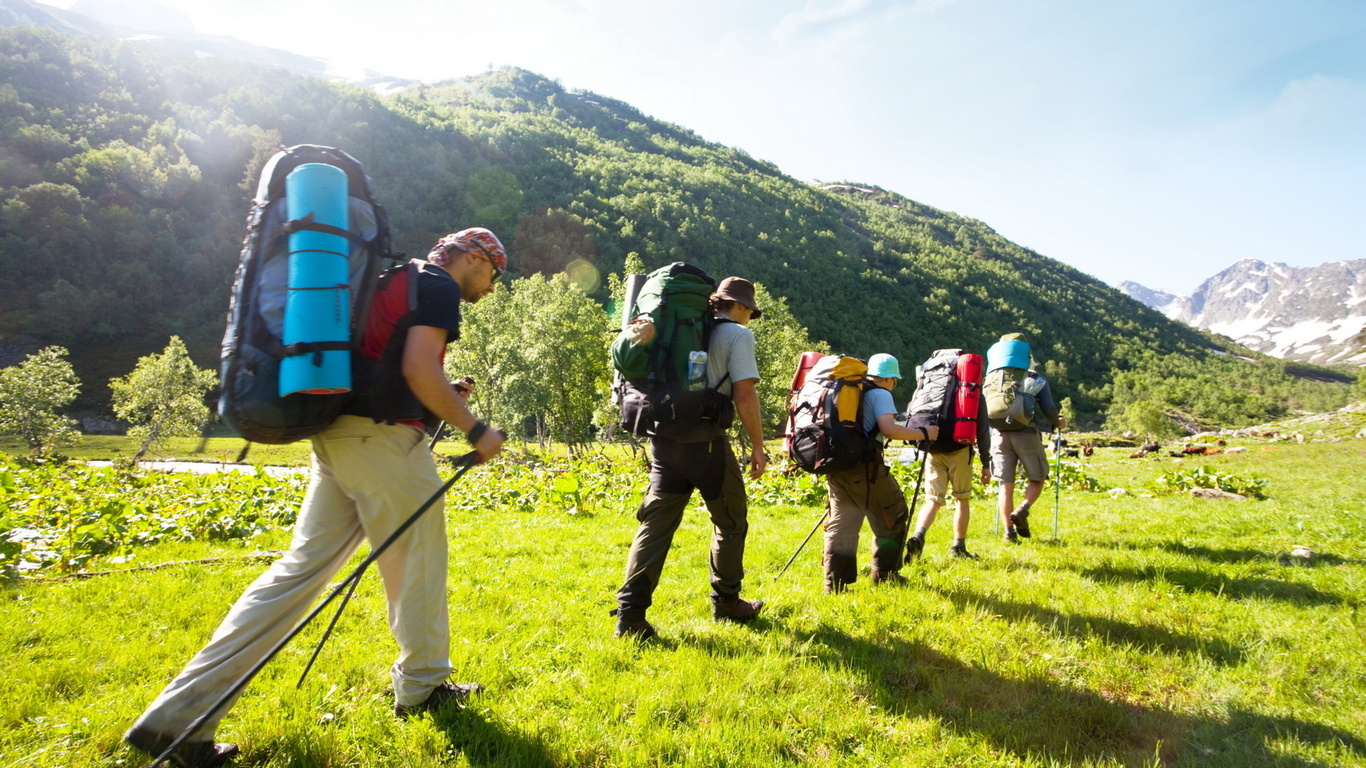
Shoulder straps, sternum straps, haul handles and compression straps are the positions most exposed to sweat and to damp storage in a packed bag or hotel wardrobe. Specifying MicroGuard on those positions targets the part of the pack that generates most odour complaints, while the shell fabric continues to handle abrasion and weather. For travel gear — packing cubes, duffels, trolley handles — the logic is the same: the strap is handled, damp and rarely dried properly.
Cooler Bags and Insulated Luggage
An insulated bag is a warm, enclosed, humid environment by design. Condensation forms on the inside, spills stay in the base, and the bag is often stored closed between trips. Webbing on carry handles, lid straps and shoulder slings absorbs that moisture and is outside the wipeable liner, which makes an anti-mould finish on the webbing a practical complement to the lining specification rather than a duplicate of it.
Pet Products
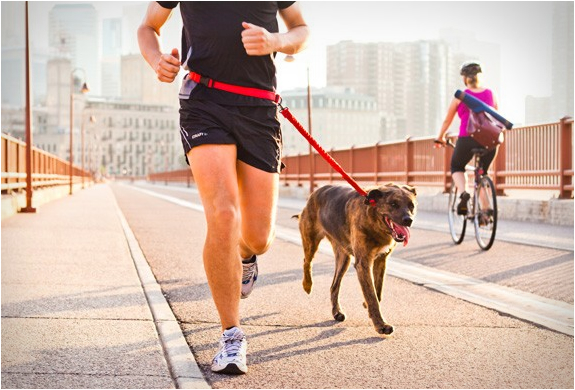
Leashes, collars and harnesses are exposed to rain, water, dirt and constant body contact, and they are rarely washed as thoroughly as clothing. Odour control and mould resistance matter here for reasons of both hygiene and the household environment in which the product is stored. Jude Webbing already supplies webbing for pet leashes, collars and harnesses, and MicroGuard extends that range with a finish aimed at the moisture and sweat pathway.
Comparison: MicroGuard Against Standard Jude Webbing Constructions
The table below compares the antimicrobial construction with two established Jude webbing options on the attributes that matter for humid-use gear. Values are taken from the published product specifications; certification scope should always be confirmed per order.
| Attribute | MicroGuard (JUDE-MicroGuard) | Nylon Outdoor Webbing | Backpack Webbing |
|---|---|---|---|
| Base material | Nylon 66 | High-tenacity nylon (soft-touch) or 100% high-tenacity polyester filament | High-tenacity nylon (soft-touch) or 100% high-tenacity polyester filament |
| Widths | 20 / 25 / 38 / 50 mm | 20 / 25 / 38 / 50 mm (customised) | 20 / 25 / 38 / 50 mm (customised) |
| Documented performance | SGS test to GB/T 24346-2009; 28 days at 28 °C and 90% relative humidity | Colour fastness to light Grade 4 (ISO 105-B02); salt water resistance Grade 4–5 (ISO 105-E02) | Breaking strength min. 500–2000 lbs based on specs; UV fastness Grade 4.5 after 1000 h (ISO 105); water absorption <0.5% |
| Functional finish | Antimicrobial / anti-mould finish with odour control related to moisture and sweat | Soft-touch finish | Stiffness optimised for YKK / Duraflex buckle compatibility; friction-free ultrasonic cut edge |
| Certification listed | Confirm applicable scope on quotation | Bluesign System Partner, GRS 4.0, OEKO-TEX Standard 100 Class I | Bluesign System Partner, GRS 4.0, OEKO-TEX Standard 100 Class I |
| Best-fit use | Backpacks, travel gear, cooler bags, pet products in humid or high-contact use | Outdoor backpacks, mountaineering packs, technical rucksacks, camera bags, premium pet accessories | Outdoor backpacks, mountaineering packs, technical rucksacks, camera bags |
Frequently Asked Questions
What test evidence supports the anti-mould claim on MicroGuard webbing?
Jude Webbing reports that MicroGuard has been tested by SGS according to GB/T 24346-2009, run for 28 days at 28 °C and 90% relative humidity. Buyers should request the report itself, confirm the specimen matches the ordered width, colour and construction, and check whether odour control is covered by the test or stated as a separate functional attribute of the finish. Certification programmes listed for other Jude webbing products, such as Bluesign System Partner, GRS 4.0 and OEKO-TEX Standard 100 Class I, should be confirmed for MicroGuard on the quotation.
Which products and widths is antimicrobial webbing suitable for?
MicroGuard is available in 20 mm, 25 mm, 38 mm and 50 mm widths and is intended for backpacks, travel gear, cooler bags and pet products — applications where webbing is repeatedly damp, in contact with the body or stored in an enclosed humid space. It is built on a Nylon 66 substrate. Jude Webbing also offers OEM and ODM development covering materials, colours, patterns, width, thickness, softness and functional finishing, so a width or construction outside the standard range can be discussed rather than assumed.
What drives the cost of an antimicrobial webbing order?
Order structure matters as much as the finish. Jude Webbing quotes a MOQ of 3,000 metres per colour per specification for webbing and 5,000 metres per colour per specification for binding tape, with flexible MOQ for trial orders. Within that structure, cost is driven by width, construction, colour, the functional finish and total order volume, and is confirmed by quotation rather than by a published price list. Consolidating colours and widths across a collection is usually the most effective way to keep an antimicrobial programme within budget.
Can we test the webbing before committing to production?
Yes. Free samples are available for existing stock items, and flexible MOQ applies to trial orders. The most useful sample test is not visual: expose the strap to your real use cycle — sweat, water, cooler-bag condensation — then store it damp and enclosed at warm room temperature and inspect weekly. Combine that with a wash test and an assembly trial on the actual buckle or adjuster, since a functional finish should not change threading or adjustment behaviour.
What is the lead time, and how do we start an order?
Production lead time is 7–25 days depending on order size and customisation details, supported by a monthly capacity of approximately 25,000,000 yards per month and 100% quality check. To start, request a sample of MicroGuard in the width closest to your design and state the target product, colour and annual volume. Jude Webbing can be reached at judecam@judegroup.com, by telephone on +86-592-6361058, or via WhatsApp on +86 13358399583.
Conclusion: Solve the Strap, Not Just the Shell
Mould and odour in humid outdoor gear are trim-level problems. The strap holds moisture longer than the shell, sits against the body, and is stored damp more often than it is dried properly. MicroGuard Antimicrobial & Anti-Mould Webbing addresses that specific failure with a Nylon 66 construction and a functional finish designed to inhibit mould and reduce odour associated with moisture and sweat, supported by an SGS test to GB/T 24346-2009 over 28 days at 28 °C and 90% relative humidity, in widths of 20 mm, 25 mm, 38 mm and 50 mm.
For brands building backpacks, travel gear, cooler bags or pet products for humid markets, the practical next step is a sample in the target width, a humid storage trial on your own construction, and a report review before the first bulk order. Request a MicroGuard sample or quotation from Jude Webbing at www.judewebbing.com.
Have Questions or Need More Details?
Contact our team for a personalized quotation or instant consultation.
Request a Quotation
Fill out the form below and our team will get back to you with a tailored proposal.
WhatsApp Direct Chat
Prefer to chat in real-time? Message us on WhatsApp for instant assistance & quick answers.
- Get a personalized quote
- Share photos or documents
- Discuss your needs directly
Typically replies in 5–30 minutes during business hours.