Outdoor Webbing Partnership FAQ: MOQs, Payment Terms & After-Sales Support
Outdoor Webbing Partnership FAQ: MOQs, Payment Terms & After-Sales Support
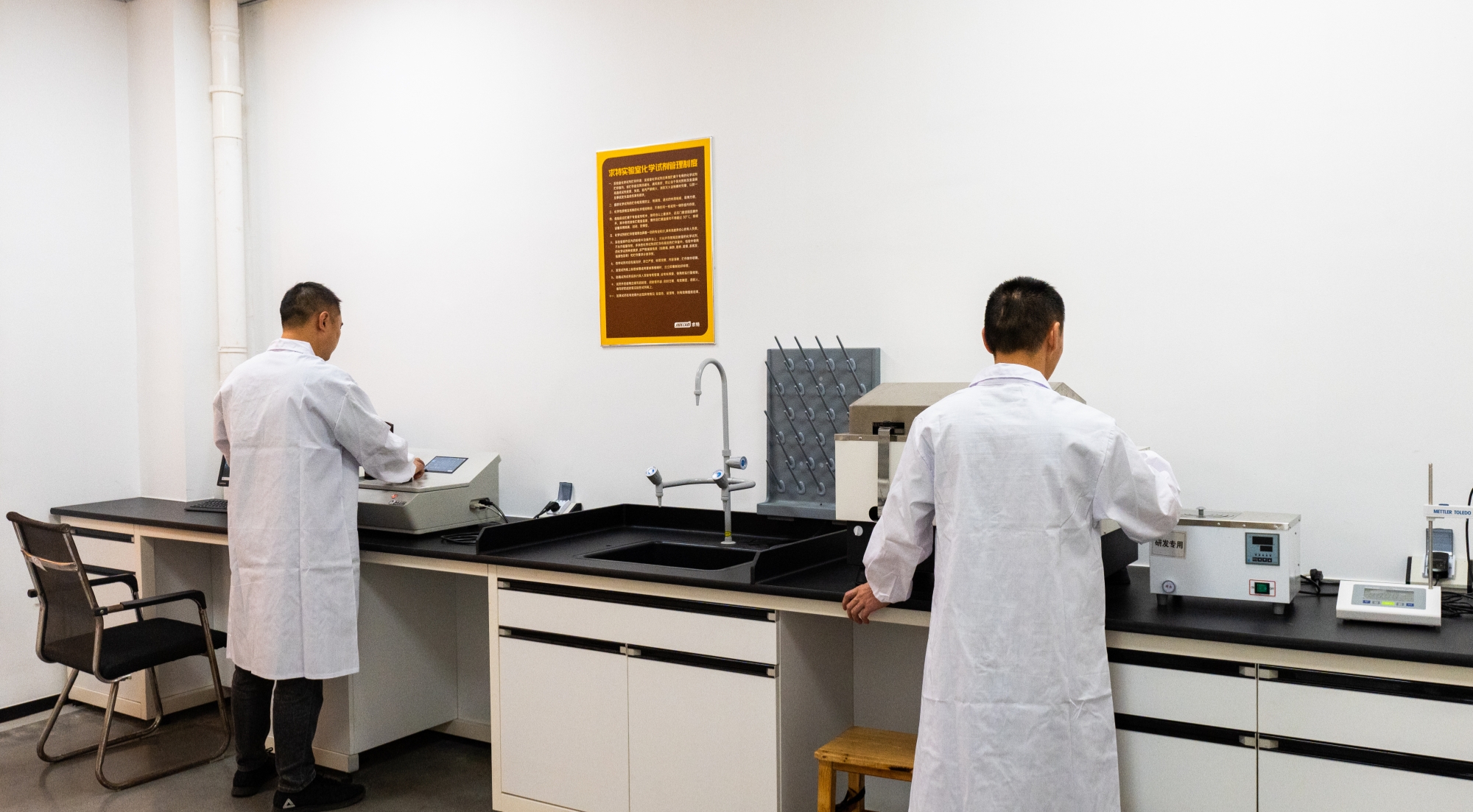
Specification confirmation is the first commercial checkpoint: width, thickness, tensile strength and colour are agreed before MOQ, lead time and Incoterm are quoted.
Technical questions about outdoor webbing are usually answered before a brand commits to anything: what the width is, how the material behaves under UV, whether the colour holds after a season of use. The questions that actually decide whether a partnership begins are commercial. How many metres must I commit to? When is payment due? Who carries the risk if a roll fails inspection? What does support look like eighteen months from now?
This FAQ answers those questions in one place. It is written for gear brand owners, product developers and procurement managers who already know their material direction and now need to understand the commercial structure behind it. The supplier referenced throughout is JUDECAM (Xiamen Jude Webbing Co., Ltd.), an outdoor and functional webbing manufacturer founded in 2006 that operates a 25,800 m² production base in Xiamen, China and supplies outdoor webbing, eco-friendly webbing, anti-UV webbing and waterproof webbing to brands across Europe, Canada and Southeast Asia, with business reaching over 50 countries and regions.
Why Commercial Terms Decide More Webbing Partnerships Than Specifications Do
Two suppliers can quote the same 25 mm polyester webbing and still be impossible to compare, because the real difference sits outside the specification sheet. Width, thickness, weave structure and colour fastness are measurable and therefore easy to line up side by side. Minimum order quantity, deposit structure, Incoterm and inspection rights are not, and they are where most first orders stall.
Four friction points come up repeatedly at the research and evaluation stage:
- Volume friction. A brand running a 500-metre pilot cannot absorb a full colour run, while a supplier cannot economically dye 500 metres. The outcome is either a workable compromise or an abandoned project.
- Cash-flow and risk friction. The deposit percentage, the trigger for the balance payment and the Incoterm together decide who funds inventory while it is in transit and who absorbs duty and inland freight.
- Verification friction. Without an approved counter-sample and agreed test methods, “off-spec” becomes an argument instead of a measurement.
- Service friction. Response speed on a quality question in month three usually determines whether there is a month twelve.
For a gear brand evaluating a long-term webbing partner, the practical approach is to settle these four points in writing before the first production order, because they shape the relationship far longer than a single purchase order does.
Industry Background: Why Supply Terms Are Getting More Scrutiny
The global webbing market was valued at USD 4.2 billion in 2023 and is projected to reach USD 5.7 billion by 2030, with outdoor recreation cited as a significant driver (Grand View Research). Asia Pacific accounted for a 66.3% revenue share of the webbing market in 2023, reflecting how concentrated manufacturing capacity for the category has become.
Two structural shifts are pushing commercial terms into the negotiation rather than treating them as paperwork:
- Recycled content is now mainstream. Recycled polyester (rPET) accounted for approximately 15–18% of global polyester fibre production in 2024, based on Textile Exchange data cited by Szoneier Fabrics. Brands sourcing GRS-certified webbing need transaction certificates and chain-of-custody documentation alongside the physical goods, which adds a documentation cycle to every order.
- Certification is requested at RFQ stage. Bluesign® System Partner status, GRS 4.0 and OEKO-TEX Standard 100 Class I are increasingly listed as conditions of quotation rather than as post-award details, so a supplier's ability to document compliance is now part of the commercial evaluation itself.
The practical consequence for buyers is that the onboarding conversation has become longer and more formal — and that the suppliers worth shortlisting are the ones who can answer MOQ, payment, delivery and after-sales questions before sampling begins.
The Answers: MOQs, Payment Terms, Delivery and After-Sales at a Glance
1. Minimum Order Quantity: 3,000 Metres per Colour for Custom Webbing
The starting MOQ at JUDECAM is 3,000 metres per colour per specification for webbing and 5,000 metres per colour per specification for binding tape. That figure is not a capacity ceiling — monthly weaving capacity is approximately 25,000,000 yards — it reflects the economics of colour and set-up.
Why the MOQ is counted per colour and per specification:
- Dyeing and finishing are batch processes. Each colour needs its own dye lot and its own colour consistency check, so 3,000 metres in a single colour costs less to set up than the same volume split across three colours.
- Changing width, thickness, weave structure or edge finish resets the weaving set-up, so the minimum is counted against one specification at a time.
- Applied finishing such as UV resistance or water-repellent treatment is processed per run, which is why the MOQ follows the finishing batch rather than the total order volume.
Startups and pilot programmes are not locked out. Flexible MOQ is available for trial orders, and free samples are provided for existing stock items, which lets a new brand validate hand-feel, colour and buckle compatibility before committing to a full colour run. A common sequence is: request stock-item samples, place a flexible trial order in an existing colour and specification, then move to a 3,000-metre custom run once the product line is confirmed.
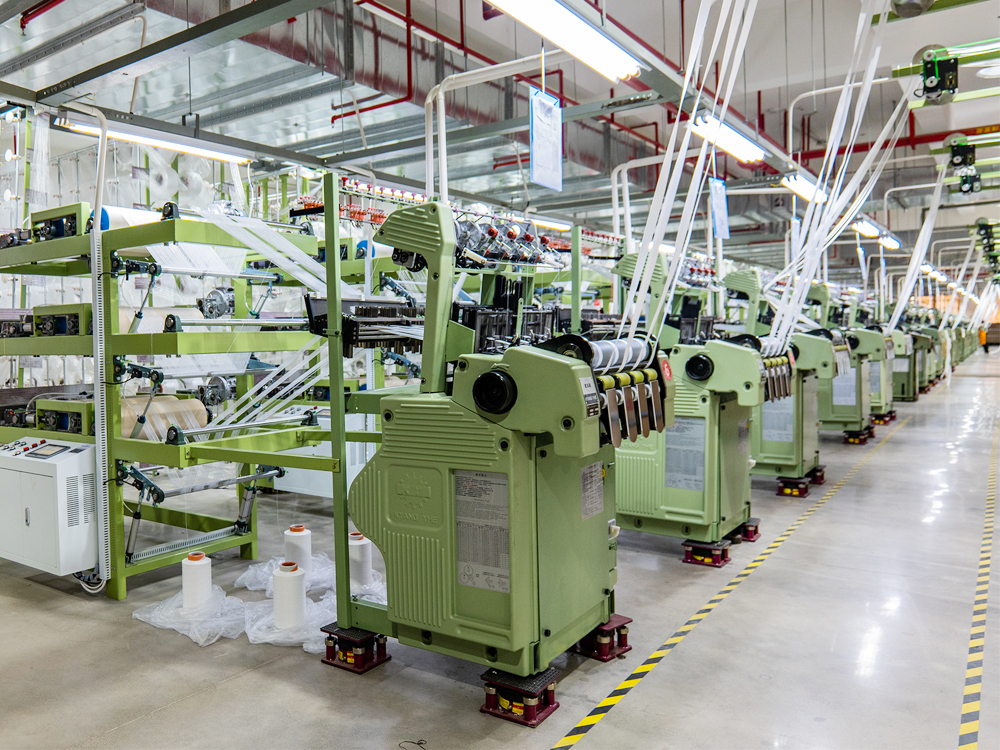
Weaving capacity is scheduled per colour and per specification — the reason a 3,000-metre MOQ is a set-up rule rather than a production limit.
Once a custom run is confirmed, the customisation scope covers material selection (nylon, nylon 66, PA, polyester, PES, recycled yarn and RPET), colours, patterns, width, thickness, softness, UV resistance, water-repellent finishing and eco-friendly options.
2. Payment Terms: T/T 30% Deposit and 70% Before Shipment, or Confirmed L/C at Sight
JUDECAM works on a standard structure of T/T with a 30% deposit and the remaining 70% payable before shipment, or a confirmed letter of credit at sight. Long-term strategic partners can work with more flexible arrangements once an order history exists.
What each element actually covers:
- The 30% deposit releases raw material — yarn, dye and finishing chemicals — and books production capacity. For custom colours, it is also what allows the dye lot to be scheduled.
- The 70% balance is tied to pre-shipment inspection, which is why the counter-sample and functional testing discussion below matters commercially as well as technically.
- A confirmed L/C at sight moves the payment guarantee to the banks and is often the preferred route for a first order, or for brands whose internal controls require documentary credit.
Payment structure is usually revisited once order history exists, which is why it belongs in a partnership discussion rather than being fixed permanently at the first quotation.
3. Delivery and Incoterms: Sea, Air and Express, Under FOB, CIF, DAP or DDP
Orders ship by sea freight, air freight or express courier through FedEx, DHL or UPS, and can be quoted under FOB, CIF, DAP or DDP. The choice normally follows order weight and urgency rather than preference: express is practical for samples and small trial quantities, air freight for urgent replenishment, and sea freight for full production runs.
Production lead time is 7–25 days depending on order size and customisation details. That figure covers production, not transit, so it should be added to the shipping time implied by the chosen Incoterm. Standard packaging is 50 metres per roll, which is worth factoring into carton and pallet planning — a 3,000-metre custom run is 60 rolls before any cutting or punching is applied.
How the four Incoterms shift responsibility:
- FOB — the buyer takes control of freight and insurance from the port of loading.
- CIF — the supplier arranges and covers freight and insurance to the destination port.
- DAP — the supplier delivers to a named place, while the buyer handles import duty and customs clearance.
- DDP — the supplier delivers duty paid to the buyer's named location, which simplifies landed-cost planning on the buyer's side.
4. After-Sales Support: What a Long-Term Webbing Partner Owes You
After-sales support on webbing is less about warranty language and more about how quickly a supplier responds when something needs to change. The defined scope covers responsive customer service, product consultation, customisation support, fast feedback on quality issues and long-term cooperation support.
In day-to-day terms, that means:
- Product consultation — guidance when a design shifts between nylon, polyester and RPET, or between flat and tubular constructions, without restarting the whole evaluation.
- Customisation support — OEM and ODM services covering design customisation and branding, supported by value-added processing such as precision cutting, punching, sewing and finished product assembly for straps, belts and gear components.
- Fast feedback on quality issues — a defined route from counter-sample comparison to a corrective answer, rather than an open-ended negotiation.
- Long-term cooperation support — continuity of colour, specification and certification documentation across repeat orders.
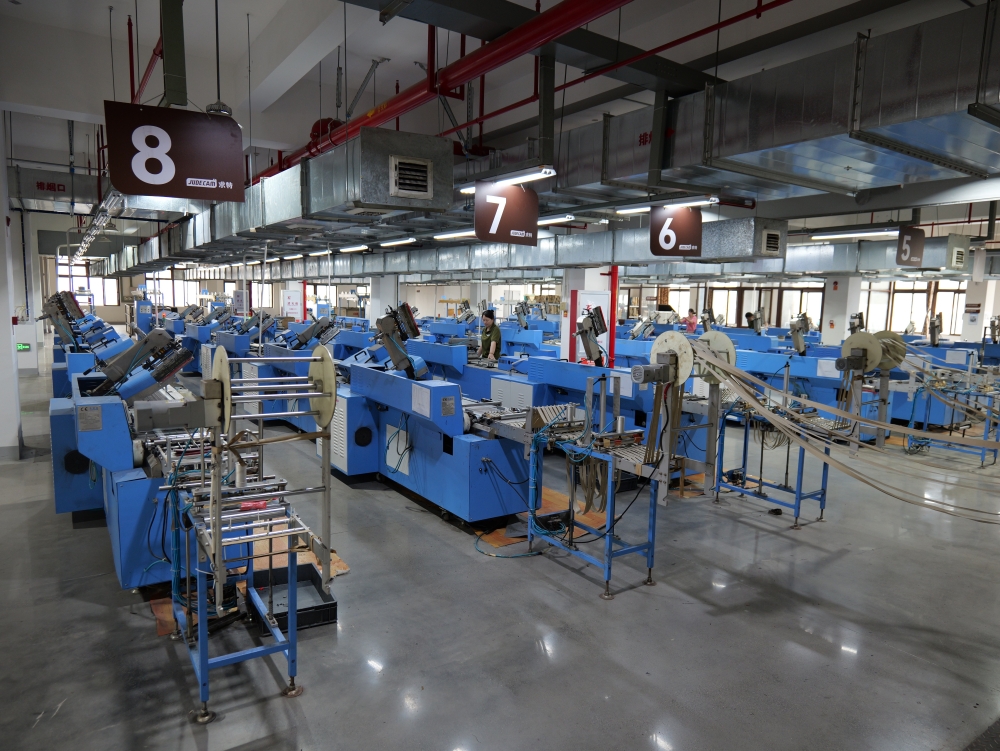
Branding and design customisation are handled inside the same production chain as weaving, printing, dyeing and finishing.
This is where OEM and ODM capability connects directly to long-term cooperation value. Because branding, precision cutting and punching sit in the same chain as weaving, printing, dyeing and finishing, a brand that scales from raw webbing to finished straps and gear components does not have to qualify a second supplier, repeat sampling, or reconcile colour across two vendors. The MOQ, payment and Incoterm terms you negotiate at the start therefore continue to apply as the scope of work expands.
How Acceptance Inspection Works: Counter-Sample Matching and Functional Testing
Acceptance is defined by two things: a counter-sample and a set of published test methods. Everything else is opinion.
Counter-sample matching. A counter-sample — also called a golden or reference sample — is approved by both sides before mass production and retained by both. Each production lot is then compared against it for colour, width, thickness, weave structure and edge finish. Edge condition is part of this check because outdoor webbing is commonly finished with a friction-free ultrasonic cut, and an inconsistent edge shows up later as fraying during assembly.
Functional testing. Performance is verified against published methods rather than visual judgement:
| Property | Method and verified result |
|---|---|
| UV resistance | Grade 4.5 after 500 hours (ISO 105) on polyester webbing; Grade 4 (BS EN ISO 105-B02) on Bluesign® System Partner webbing; Grade 4–5 (AATCC 16.3) on recycled webbing |
| Water repellency | Optional Grade 4 (AATCC 22) on RPET and recycled webbing |
| Colour fastness | ISO 105 Grade 4–5; perspiration fastness Grade 4 |
| Water absorption | Below 0.5% |
| Skin-contact safety | pH 4.5–7.5; heavy metals: none; extractable heavy metals below detection limits; azo dyes: 0% |
Routine quality control covers 100% quality check, durability testing, colour consistency control and material inspection, aligned with outdoor and consumer product standards.
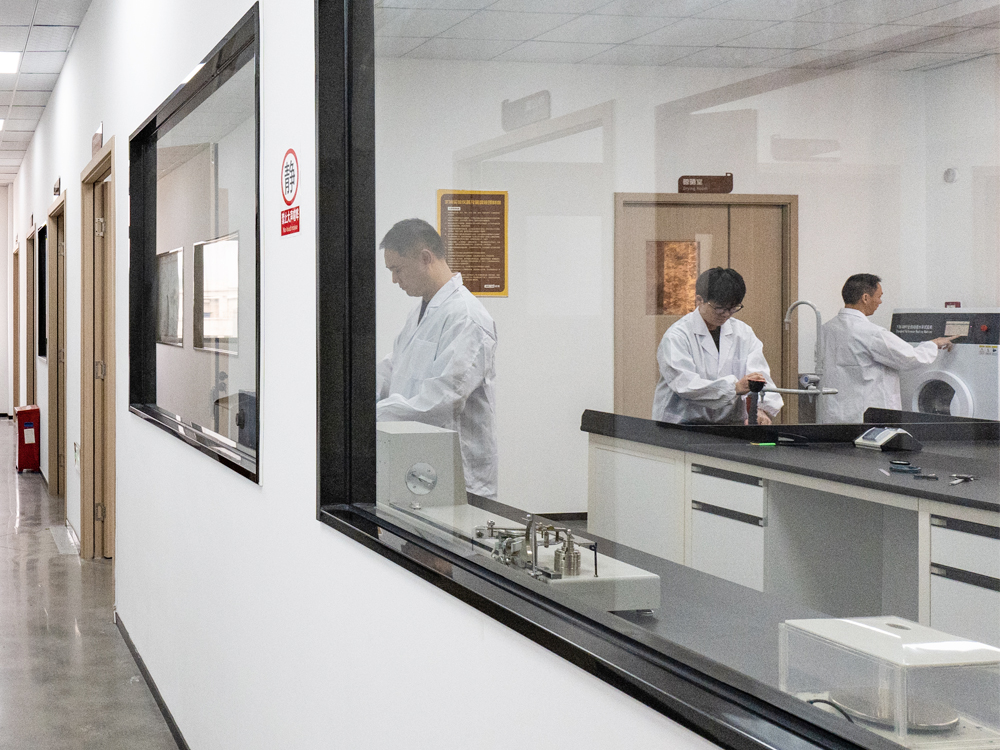
In-house testing supports the counter-sample comparison: durability, colour consistency and material inspection before shipment.
The commercial implication is straightforward. “Inspection” should be written into the purchase order as a method, not an intention — naming the standard, the grade and the sample it will be measured against. That is also what makes the 70% balance payment a fair trigger for both sides.
Step-by-Step: From First Inquiry to Repeat Order
- Requirement brief. Application, target width and thickness (20/25/38/50 mm or 1/2", 1", 1.5", 2"), material direction, certification requirement (Bluesign® System Partner, GRS 4.0, OEKO-TEX Standard 100 Class I) and any finishing such as UV resistance or water-repellent treatment.
- Quotation. Confirms MOQ, unit price, production lead time (7–25 days), Incoterm (FOB, CIF, DAP or DDP) and payment structure (T/T 30/70 or confirmed L/C at sight).
- Sampling and counter-sample approval. Free samples for existing stock items; a development sample for custom colour and specification.
- Order confirmation and deposit. The 30% deposit releases yarn, dye and finishing chemicals and books production capacity.
- Production and in-line control. Weaving, printing, dyeing, finishing and, where required, precision cutting, punching and assembly — with durability, colour consistency and material inspection checks.
- Pre-shipment inspection and balance. Counter-sample comparison plus the functional tests agreed in step one; the 70% balance follows.
- Shipment and documentation. Sea, air or express, with certification documents such as GRS Transaction Certificates where applicable.
- After-sales and repeat planning. Colour and specification records are retained so reorders do not restart the qualification process.
Use Cases: How These Terms Play Out in Real Gear Programmes
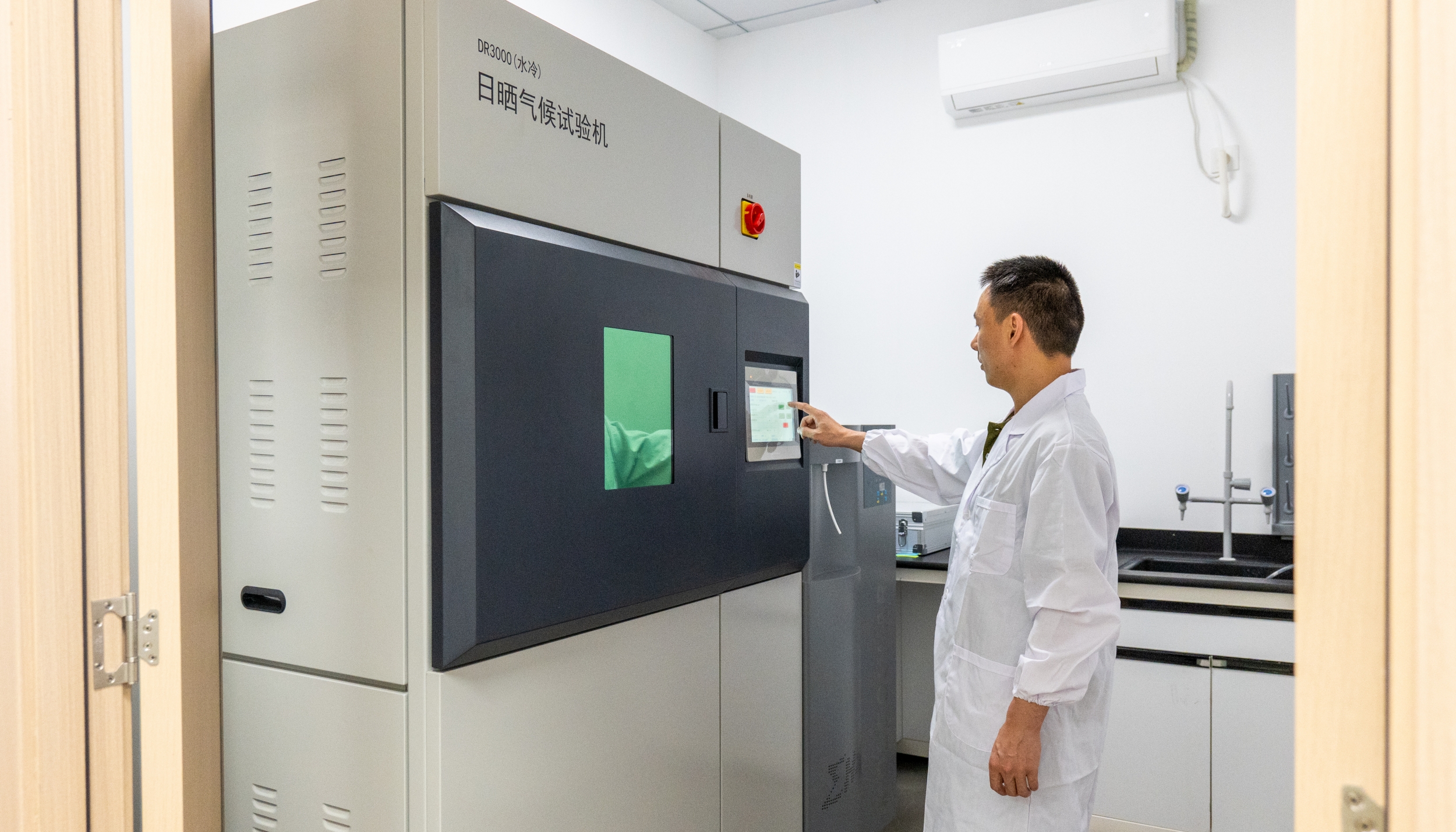
UV and water-repellency performance is the specification most often re-verified at acceptance inspection for outdoor programmes.
Typical sourcing scenarios attach different weight to MOQ, payment and service terms:
- Backpacks and technical packs. Backpack webbing runs a breaking strength of 500–2,000 lbs depending on specification, with UV fastness Grade 4.5 after 1,000 hours (ISO 105), water absorption below 0.5% and stiffness tuned for YKK/Duraflex buckle compatibility. One European outdoor gear brand sources more than 300,000 metres per year for modular backpacks and expandable carrying systems, reporting 2–3 years of use under regular outdoor conditions.
- Camping and hammock systems. Camping webbing in UV-stabilised nylon or high-tenacity polyester is designed for temporary set-up and repeated installation, with the same 500–2,000 lbs breaking strength range and UV fastness Grade 4.5 after 1,000 hours (ISO 105).
- Climbing and safety. Tubular webbing in 100% high-strength polyamide 6.6 offers 15–25 kN breaking strength with a seamless hollow weave for knotting. EU buyers should note that mountaineering slings and climbing webbing fall under EN 566, which requires a minimum tensile strength of 22 kN for safety compliance — a threshold worth checking against the specific construction and width being quoted.
- Pet and lifestyle products. Leash, collar and harness webbing works with supporting equipment such as buckles and metal clips, and is typically specified in soft-touch nylon or polyester.
- Juvenile and stroller components. Stroller webbing is OEKO-TEX Standard 100 Class I certified, GRS 4.0 compliant and Bluesign® System Partner certified, with rounded edges for infant skin protection and a fatigue result of more than 10,000 buckle cycles. This is a category where MOQ is usually the smallest commercial obstacle and documentation is the largest.
- Bag and cooler programmes at scale. A global outdoor brand manufacturing bags and cooler bags sources more than 1,000,000 metres annually in RPET and recycled nylon with UV resistance, colour fastness and water-repellent finishing, and reports an improved sustainability profile while maintaining durability and colour consistency over 2–4 years of outdoor use.
Comparison: Order Type, MOQ, Lead Time and Customisation Scope
| Order type | Minimum order quantity | Production lead time | Customisation scope | Sampling |
|---|---|---|---|---|
| Stock webbing (existing colour and specification) | Flexible MOQ for trial orders | 7–25 days depending on order size | Limited to the existing colour and specification | Free samples available for existing stock items |
| Custom webbing (custom colour and specification) | 3,000 metres per colour per specification | 7–25 days depending on order size and customisation details | Materials (nylon, nylon 66, PA, polyester, PES, recycled yarn, RPET), colours, patterns, width, thickness, softness, UV resistance, water-repellent finishing, eco-friendly options | Counter-sample approval before mass production |
| Binding tape | 5,000 metres per colour per specification | 7–25 days depending on order size and customisation details | As per custom webbing above | Counter-sample approval before mass production |
| OEM/ODM finished components (straps, belts, gear components) | Confirmed per project at quotation, based on the applicable webbing MOQ | 7–25 days depending on order size and customisation details | Design customisation, branding, precision cutting, punching, sewing and finished product assembly | Counter-sample approval before mass production |
Read the table as a planning tool rather than a price list. The MOQ column tells you the minimum viable first production run; the lead time column tells you whether a launch date is realistic; the sampling column tells you how much of the risk can be retired before money changes hands.
Frequently Asked Questions
What is the minimum order quantity for custom outdoor webbing?
The standard minimum is 3,000 metres per colour per specification for webbing and 5,000 metres per colour per specification for binding tape. The MOQ is set per colour and per specification because dyeing, finishing and weaving set-up are batch processes, not because of a capacity limit — monthly weaving capacity is approximately 25,000,000 yards. Startups and pilot programmes can order below the standard minimum: flexible MOQ is available for trial orders, and free samples are provided for existing stock items, so hand-feel, colour and buckle compatibility can be validated before committing to a custom colour run.
What payment terms are standard for outdoor webbing supply?
The standard structure is T/T with a 30% deposit and the remaining 70% payable before shipment, or a confirmed L/C at sight. The deposit releases raw material — yarn, dye and finishing chemicals — and books production capacity, while the balance is settled against pre-shipment inspection. Long-term strategic partners can work with more flexible payment arrangements once an order history exists, which is why payment structure is normally revisited after the first completed orders rather than fixed permanently at the start.
How are outdoor webbing orders shipped, and which Incoterms apply?
Orders can ship by sea freight, air freight or express courier through FedEx, DHL or UPS, and are quoted under FOB, CIF, DAP or DDP. Production lead time is 7–25 days depending on order size and customisation details; that covers production only and is additional to transit time. Standard packaging is 50 metres per roll, so roll count and carton planning should be confirmed alongside the Incoterm choice — a 3,000-metre run equals 60 rolls before cutting or punching.
How is webbing quality verified before shipment?
Acceptance inspection combines counter-sample matching with functional testing. An approved counter-sample is retained by both parties, and each lot is compared against it for colour, width, thickness, weave structure and edge finish. Functional performance is verified against published methods: UV resistance of Grade 4.5 after 500 hours (ISO 105) on polyester webbing, Grade 4 (BS EN ISO 105-B02) on Bluesign® System Partner webbing and Grade 4–5 (AATCC 16.3) on recycled webbing; water repellency of optional Grade 4 (AATCC 22); colour fastness of ISO 105 Grade 4–5 with perspiration fastness Grade 4; and water absorption below 0.5%. Routine control also includes 100% quality check, durability testing, colour consistency control and material inspection.
What after-sales support should a long-term webbing partner provide?
After-sales support on a long-term outdoor webbing partnership should cover responsive customer service, product consultation, customisation support, fast feedback on quality issues and long-term cooperation support. In practice that means guidance when a design shifts between nylon, polyester and RPET; OEM and ODM support for design customisation and branding; value-added processing such as precision cutting, punching, sewing and finished component assembly; and continuity of colour, specification and certification documents across repeat orders. To request samples or a quotation with MOQ, lead time and Incoterm confirmed against your specification, contact JUDECAM at judecam@judegroup.com or on WhatsApp at +86 13358399583.
Conclusion: What to Confirm Before You Commit
A webbing partnership is decided by a short list of commercial details, and each one can be settled in writing before production begins:
- MOQ confirmed per colour and per specification — 3,000 metres for webbing, 5,000 metres for binding tape, with flexible MOQ for trial orders.
- Payment structure confirmed — T/T 30% deposit with 70% before shipment, or confirmed L/C at sight, with flexibility for long-term partners.
- Incoterm and shipping mode confirmed — FOB, CIF, DAP or DDP by sea, air or express.
- Counter-sample approved and retained by both parties.
- Test methods named by standard — ISO 105 and AATCC 16.3 for UV resistance, AATCC 22 for water repellency.
- Certification documents defined up front — Bluesign® System Partner, GRS 4.0 and OEKO-TEX Standard 100 Class I, with Transaction Certificate support for recycled content.
- A named after-sales contact for quality feedback and repeat-order continuity.
Handled this way, MOQ, payment, delivery and after-sales stop being negotiation risks and become the fixed structure a product programme is built on.
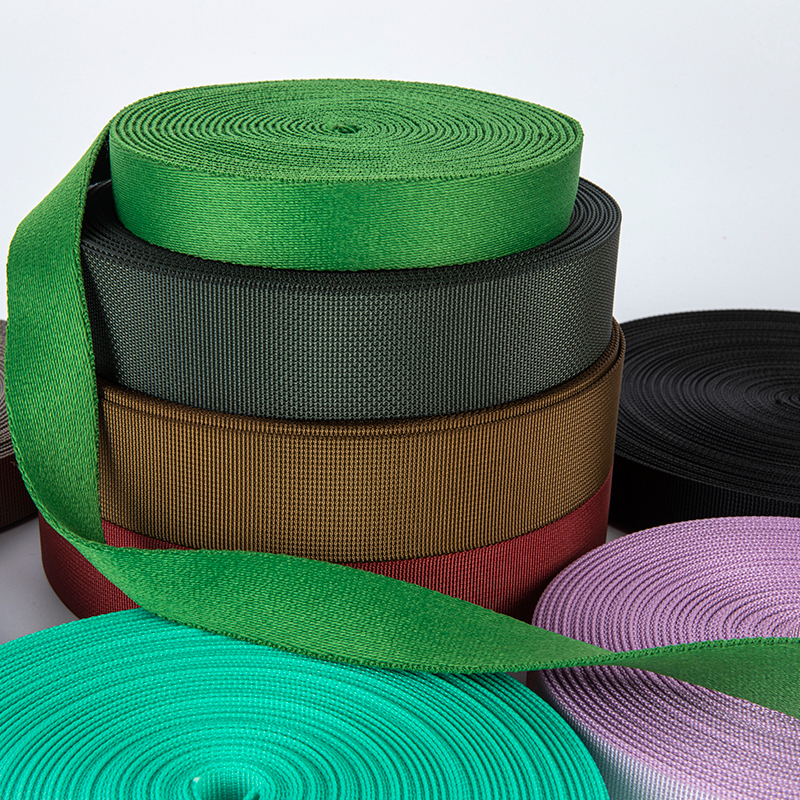
Eco-friendly and recycled webbing options are available for sampling before a custom colour run is scheduled.
Next step: request samples or a quotation.
JUDECAM (Xiamen Jude Webbing Co., Ltd.) supplies outdoor webbing, eco-friendly webbing, anti-UV webbing and waterproof webbing for gear brands worldwide. Share your width, material direction and certification requirement, and you will receive MOQ, lead time, Incoterm and payment terms against your specification.
Email: judecam@judegroup.com | Tel: 86-592-6361058 | WhatsApp: +86 13358399583 | WeChat: JUDE_CAM
Website: www.judewebbing.com
Address: No. 601 ShiXing Road, Jimei District, Xiamen, 361024, China
Have Questions or Need More Details?
Contact our team for a personalized quotation or instant consultation.
Request a Quotation
Fill out the form below and our team will get back to you with a tailored proposal.
WhatsApp Direct Chat
Prefer to chat in real-time? Message us on WhatsApp for instant assistance & quick answers.
- Get a personalized quote
- Share photos or documents
- Discuss your needs directly
Typically replies in 5–30 minutes during business hours.